
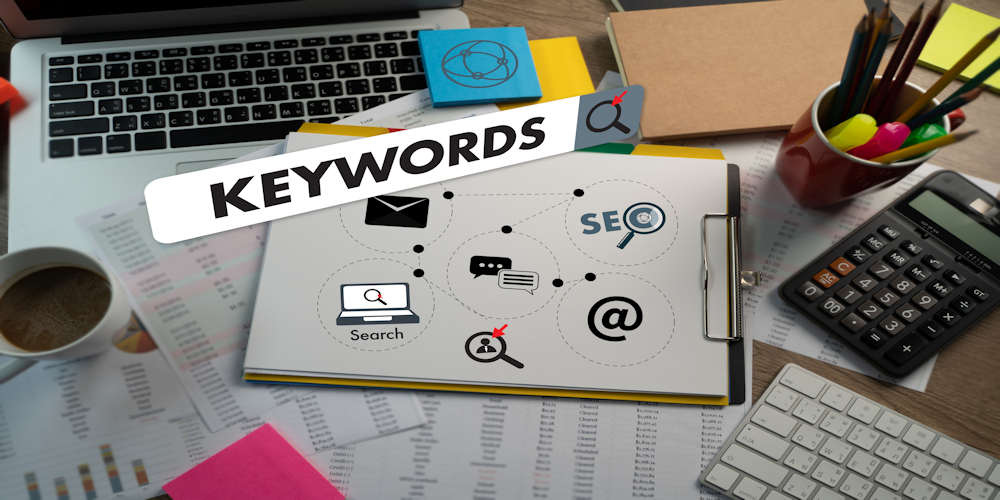
Understanding On-Page Optimisation
If you have a business website, you have likely heard of Search Engine Optimisation (SEO). It is one of the most important, and often misunderstood, digital marketing techniques. When done right, a good keyword strategy can drive significant traffic to your business. This guide will walk you through the essentials of on-page SEO, a critical component for SEO success. We will break down what it is, why it matters, and how you can start optimising your website today.
On-page optimisation is all about making changes directly on your web pages to make them more appealing to search engines. These changes help search engines like Google and Bing understand what your content is about, which can significantly improve your search engine rankings.
By focusing on these elements, you are essentially giving search engines a clear roadmap of your site. This guide will explore the specific techniques you can use to optimise your content, from keywords to HTML tags, helping you climb the rankings.
What Is On-Page Optimisation in SEO?
So, what exactly is on-page optimisation in the world of Search Engine Optimisation? It is the practice of fine-tuning individual web pages to achieve higher rankings in search systems and attract more relevant traffic. This involves optimising both the content and the underlying HTML source code of a page.
Unlike off-page factors, you have complete control over your on-page SEO. Key techniques that help improve keyword optimisation include strategically placing your target keywords in your page titles, headers, meta descriptions, and throughout your content. You can also optimise your images with descriptive alt text that includes keywords.
Ultimately, the goal is to clearly signal to search engines what your page is about. A well-optimised page is easier for search systems to crawl and index, increasing the chances that it will be shown to users searching for topics related to your business. This is a fundamental part of any effective digital marketing plan.
Key Differences Between On-Page and Off-Page SEO
It is important to understand the a key distinction in SEO: on-page versus off-page. On-page SEO refers to all the measures you take directly on your website to improve its position in search rankings. This includes creating high-quality content, optimising titles, and structuring your pages effectively.
In contrast, off-page SEO involves actions taken outside of your own website to impact your rankings within search engine results pages. This includes acquiring backlinks from other reputable sites, social media marketing, and building your brand’s presence across the web. Think of it as building your site’s reputation and authority.
Both on-page and off-page SEO are essential for improving your search visibility. On-page SEO lays the foundation by making your site search-engine-friendly, while off-page SEO builds the authority and trust that search engines value. A complete strategy needs both to succeed.
Why On-Page Optimisation Matters for UK Websites
For any business in the UK, on-page optimisation is not just an option, it is essential for growth. With Google powering the vast majority of online searches, ranking high in search engine results is critical to stay visible. Most users never scroll past the first page, so if you are not there, you are missing out.
Effective content optimisation helps your website appear for the terms your potential customers are using in a Google search. This does not just bring any traffic; it brings qualified traffic. These are users with high intent who are actively looking for the products or services you offer, making them more likely to convert into leads and sales.
By focusing on on-page factors, you are telling Google that your website is a relevant and valuable answer to a user’s query. This leads to higher rankings, increased visibility, and a steady stream of customers, making it one of the most cost-effective ways to grow your business online.
The Foundations of Keyword Optimisation
Keyword optimisation is the heart of on-page SEO. To achieve SEO success, you must first understand what your audience is looking for. This begins with thorough keyword research and a careful keyword analysis to identify the terms that will connect you with high-intent customers.
Choosing the right target keyword ensures that your content aligns with user intent, helping you attract the right visitors. The following sections will cover how to select effective keywords, apply them correctly, and avoid common pitfalls.
How to Choose Effective Keywords
Choosing effective keywords for your website content is a foundational step in any successful SEO campaign. How can you ensure you are picking the right ones? The process starts with putting yourself in your customers’ shoes. Think about the words and phrases they would use to find a business like yours.
Your keyword research should focus on understanding search intent, what is the user’s goal when they type in a query? Are they looking for information, or are they ready to buy? You also need to consider search volume to ensure enough people are looking for these terms.
Here is how you can choose effective keywords:
- Analyse Search Intent: Determine if the user is looking to learn, compare, or purchase.
- Assess Search Volume: Target terms that have a reasonable amount of monthly searches.
- Consider Competitiveness: Find keywords that you have a realistic chance of ranking for.
- Identify Related Keywords: Broaden your reach by including semantic and long-tail variations.
Best Practices for Keyword Optimisation on Webpages
Once you have your keywords from your research, where should you put them? Following best practices for keyword optimisation ensures that both users and search engines can easily understand what your page is about. It is a core part of a strong content strategy.
The key is to place keywords naturally in strategic locations on your webpage. This signals relevance without sounding robotic. Your primary goal is always to create a positive experience for the user. A good digital marketing agency can help you find this balance.
Here are some of the best practices for keyword optimisation in SEO:
- Include your primary keyword in the page title (H1 tag).
- Place the keyword in the first 100 words of your content.
- Use keywords and related terms in your subheadings (H2, H3).
- Incorporate keywords into image file names and alt text.
Avoiding Keyword Stuffing and Maintaining Content Quality
A common mistake beginners make is “keyword stuffing” – the practice of loading a webpage with keywords in an attempt to manipulate a site’s ranking. This tactic is outdated and can harm your SEO efforts. Search engines are smart enough to recognise this and may penalise your site for it.
So, how do you avoid keyword stuffing while still optimising? The answer lies in focusing on content quality and creating unique content that provides genuine value to your reader. Instead of repeating the same keyword over and over, use synonyms and related terms. This improves search engine understanding of your topic’s context.
Your content should be written for humans first and search engines second. When you focus on answering your audience’s questions comprehensively, you will naturally use relevant terms. This approach leads to better engagement, higher trust, and ultimately, better rankings without resorting to spammy tactics.
Title Optimisation Essentials
The page title, also known as the title tag, is one of the most important on-page SEO elements. It is the first thing a user sees in the search results and plays a huge role in their decision to click on your page. A well-crafted title can have a direct impact on your search engine rankings.
Getting your titles right is a simple yet powerful way to improve your visibility. In the next sections, we will explore why optimised titles are so important, share tips for writing compelling ones, and discuss the use of tools to help.
The Importance of Optimised Titles for SEO
An optimised SEO title is your first opportunity to make an impression in the search results. It acts as a headline for your webpage, telling both users and search engines what your content is about at a glance. For content creators, this is a critical piece of the puzzle.
When a user scans the search results, a compelling and relevant title tag can be the deciding factor between a click on your page or a competitor’s. A strong title that accurately reflects the page’s content can significantly increase your click-through rate, which sends positive signals to Google.
Furthermore, the title tag is a primary place search engines look to understand the topic of your page. Including your main keyword in the title helps confirm that your page is a relevant match for a user’s query, which is fundamental for ranking well.
Tips for Writing Engaging and SEO-Friendly Titles
Writing a title that is both engaging for users and optimised for search engines is a key part of any SEO strategy. While a title generator can offer ideas, crafting the perfect title often requires a human touch to align with your overall keyword strategy.
The goal is to be concise, descriptive, and persuasive. You want to capture a user’s attention while clearly communicating the value they will get from clicking on your page. Remember to keep the character count in mind to avoid your title being cut off in search results.
Here are a few tips for writing better titles:
- Keep it under 60 characters: This ensures your full title is visible on most devices.
- Place your main keyword near the beginning: This immediately signals relevance.
- Add a benefit or unique value proposition: Give users a reason to choose your page.
- Make it unique: Every page on your site should have a distinct title.
Using an SEO Title Generator: Pros and Cons
Can using an SEO title generator actually help with keyword optimization? Yes, these tools can be very useful, especially when you are looking for fresh ideas or different angles for your content. A title generator can be a powerful tool for brainstorming multiple options quickly.
However, there are downsides. Automated tools may not fully capture your unique brand voice or the specific nuances of your target audience. A generated title might be technically optimised but lack the creativity or emotional appeal that encourages a user to click. It is often best to use these tools as a starting point, not a final solution.
The most effective approach is to use a title generator for inspiration and then refine the suggestions to fit your brand. You can also use the different options for A/B testing to see which titles perform best. This combination of automation and human oversight often yields the best results.
Meta Tags Optimisation for Higher Rankings
Beyond the title, other meta tags play a vital role in your on-page SEO. The meta description, in particular, is your short sales pitch in the search engine results. While it does not directly influence rankings, a well-written one can dramatically improve your click-through rate.
Optimising your meta tags is a simple way to make your listings more attractive and informative to potential visitors. Let’s look at what these tags are, why they are important, and how they can support your keyword optimisation efforts.
What Are Meta Tags and Why They Matter
Meta tags are snippets of text hidden in the HTML code of your webpage. They are not visible on the page itself but provide information about your page to search engines and website visitors. The two most important meta tags for Search Engine Optimisation are the title tag and the meta description.
These tags are crucial because they influence how your page appears in search results. The title appears as the main clickable headline, and the meta description is the short summary underneath it. They provide a preview of your content and help users decide if your page is relevant to their query.
By optimising your meta tags, you improve search engine understanding of your content and create a more compelling listing for users. You can even monitor their performance through tools like Google Search Console to see which descriptions are earning the most clicks, helping you refine your strategy.
Optimising Meta Descriptions for Better Click-Through Rates
An optimised meta description is your chance to convince a user to click on your link over your competitors’. While not a direct ranking factor, a compelling description can significantly increase your click-through rate from search results, which can lead to much traffic over time.
Think of your meta description as a short advert for your page. It should accurately summarise the content while highlighting the value for the user. A well-crafted description can make your listing stand out and drive more organic traffic to your site.
Here is how to optimise your meta descriptions for better results:
- Keep it between 105-160 characters. This prevents it from being cut off.
- Include your primary keyword. This shows relevance to the user’s search.
- Use an active voice and make it compelling. Speak directly to the user.
- Add a call-to-action. Encourage users with phrases like “Learn more” or “Discover how.”
How Meta Tags Influence Keyword Optimisation
How exactly do meta tags influence your keyword optimisation strategy? While the meta description itself is not used by search engines for ranking, it plays an indirect but important role. Search engines often bold the search query within the meta description in the results.
When users see their search terms in your description, it visually confirms that your page contains the relevant keywords they are looking for. This can make your listing more noticeable and increase the likelihood of a click. A higher click-through rate signals to search engines that your page is a good result for that query.
By including relevant keywords in your meta tags, you are not trying to manipulate rankings directly. Instead, you are optimising for the user. You are providing clear signals that your content matches their search intent, which supports your overall keyword optimization efforts by driving more qualified clicks.
Structuring Content with Important HTML Tags
The way you structure your content using HTML tags is another crucial aspect of on-page SEO. Proper use of tags like headers (H1, H2, H3) helps organise your content for readers and makes it easier for search engines to understand the hierarchy and main topics of your page, which can improve search engine rankings.
Effective content creation is not just about the words you write, but also how you present them. We will now cover the most critical HTML tags for SEO and how to use them to enhance your content’s structure and visibility.
Critical HTML Tags for On-Page SEO
Certain HTML elements are essential for keyword optimisation because they provide strong contextual signals to search engines. These tags help define your page structure and highlight the most important parts of your content, making it clear what your page is about.
Using these HTML tags correctly helps search engines crawl, understand, and index your content more efficiently. For example, the H1 tag should contain your primary keyword, while anchor text for links should describe the content of the linked page.
Here is a breakdown of some of the most important HTML tags for on-page SEO:
| HTML Tag | Purpose in On-Page SEO |
|---|---|
Title Tag (<title>) | Sets the page’s title in search results and browser tabs. A major ranking signal. |
| Meta Description | Provides a summary of the page for users in search results to encourage clicks. |
Header Tags (<h1>–<h6>) | Organise content into sections and establish a topical hierarchy for readers and search engines. |
Anchor Text (<a>) | The clickable text in a hyperlink that provides context about the linked page. |
How to Use Header Tags Effectively
Header tags (H1, H2, H3, etc.) are essential for organising the content of a blog post or webpage. They create a logical structure that makes your content easier for visitors to read and scan. This improved user experience is something search engines reward.
From an SEO strategy perspective, header tags help establish topical authority. They break your content into sections, allowing you to cover a topic comprehensively. By including your main keyword in the H1 and related keywords in your H2s and H3s, you reinforce the page’s relevance to search engines.
Follow these tips to use header tags effectively:
- Use only one H1 tag per page: This should be your main title.
- Create a logical hierarchy: Use H2s for main sections and H3s for subsections within them.
- Include keywords naturally: Place keywords in your headers where they make sense.
- Keep headers descriptive: They should accurately describe the content that follows.
Other HTML Elements That Enhance SEO
Beyond headers and meta tags, other HTML elements contribute to a well-rounded SEO strategy. For instance, the title tag not only appears in search results but also in browser tabs, providing a constant reminder of your page’s topic as users navigate.
Image alt text is another crucial element. It describes an image to search engines and screen readers, providing another opportunity to include relevant keywords. Similarly, a clean and descriptive URL slug helps both users and search engines understand the page’s content before they even click. You can check how Google sees your URL with a URL inspection tool.
Even how your page appears when shared on social media is influenced by HTML tags (like Open Graph tags). While not a direct ranking factor, strong social signals can drive traffic and build brand authority. A comprehensive SEO approach considers all these small but impactful details.
Image Optimisation Strategies
Images are a vital part of modern web content, but they can also slow down your site if not handled correctly. Image optimization involves reducing file sizes and providing context through alt text. This not only improves page speed but also helps your images appear in image search results.
A good image optimisation strategy enhances user experience and opens up a new channel for attracting traffic. Let’s explore why it is so important and how you can start optimising your images for better SEO performance.
Why Image Optimisation Is Essential for SEO
Image optimisation is a frequently overlooked but essential part of on-page SEO. How does it relate to keyword optimisation? Search engines cannot “see” images like humans do. They rely on the text associated with an image, like its file name and alt text, to understand what it depicts.
By including relevant keywords in this text, you help your images rank in Google Search for images. This can drive significant traffic to your site, especially for visual businesses or e-commerce sites with many product pages. It creates another opportunity for customers to discover you.
Moreover, large, unoptimised images can drastically slow down your page load speed. Since page speed is a confirmed ranking factor, slow-loading images can directly harm your search engine rankings. A fast, visually appealing site provides a better user experience, which Google rewards.
How to Optimise Image File Names and Alt Text
Optimising image file names and alt text is a straightforward yet powerful part of your image optimisation and overall keyword strategy. Before you even upload an image, change the generic file name from something like IMG_1234.jpg to something descriptive.
Alt text (alternative text) is an HTML attribute that describes the image. It is displayed if the image fails to load and is read aloud by screen readers for visually impaired users. It is also a key place for search engines to understand the image’s context.
Here is how to optimise your file names and alt text:
- Use descriptive file names: For example,
newcastle-digital-marketing-agency.jpg. - Write clear and concise alt text: Describe what is in the image.
- Include relevant keywords naturally: Add a keyword if it fits the description without sounding forced.
- Keep it brief: Aim for a short, descriptive phrase rather than a long paragraph.
Image Compression Techniques Without Losing Quality
Large image files are one of the biggest causes of slow page speed. With more users browsing on mobile devices than ever before, a fast-loading website is non-negotiable. Image compression is the process of reducing the file size of your images without significantly impacting their visual quality.
There are many free tools available online that can compress your images before you upload them to your website. This simple step can dramatically improve how quickly your pages load, which is a critical ranking factor for search engines. A faster site leads to a better user experience and lower bounce rates.
Even for pages targeting terms with high search volume, a slow load time can cause visitors to leave before your content even appears. By implementing image compression, you ensure that your website is fast and accessible for all users, regardless of their device or connection speed, helping you capture and retain that valuable traffic.
Internal Links, Inbound Links, and SEO Value
Your linking strategy is another powerful component of on-page SEO. This includes both internal links (linking to other pages on your own site) and inbound links (links from external sites). Both types of links help search engines understand your site’s structure and authority, influencing your search engine rankings.
A strong linking structure helps spread “link equity” or value throughout your site and guides users to relevant content. The following sections will explain how to build a strong internal linking structure and the role inbound links play.
Building a Strong Internal Linking Structure
Building a strong internal linking structure is like creating a web of connections within your own website. These internal links help search engines discover all your content and understand the relationship between your various pages. This process also helps users navigate your site and find more relevant information.
When you link from one page to another, you should use descriptive anchor text. This is the clickable text in the link. Instead of using generic phrases like “click here,” use text that describes the page you are linking to, such as “affordable SEO services.
Here are some tips for building a strong internal linking structure:
- Link to relevant pages: Connect content that is topically related.
- Use descriptive anchor text: Tell users and search engines what the linked page is about.
- Link from high-authority pages: Pass value to newer or less visible pages.
- Do not overdo it: Aim for a natural number of links that genuinely help the user.
The Role of Inbound Links in On-Page Optimisation
Do inbound links, also known as backlinks or external links from other sites, impact keyword optimisation and SEO rankings? Absolutely. While technically an off-page SEO factor, the quality and quantity of inbound links pointing to a page have a massive impact on its authority and, therefore, its on-page potential.
Search engines view inbound links from reputable, relevant websites as votes of confidence. If an authoritative site links to your page about a certain topic, it signals to Google that your page is a valuable resource on that subject. This can significantly boost your rankings for relevant keywords.
This increased authority means your on-page Search Engine Optimisation efforts have a greater impact. A page with strong inbound links is more likely to rank for its target keywords than an identical page with no external links. This is why a comprehensive SEO strategy must include efforts to earn high-quality backlinks.
Balancing Internal and Outbound Links for Maximum Benefit
A successful content strategy involves a careful balance of different link types. Internal links are crucial for keeping users on your site and helping search engines understand your site’s structure. By using descriptive anchor text, you can guide both users and search crawlers to your most important content.
At the same time, do not be afraid to use outbound links to other high-quality, authoritative websites. Linking to credible sources can actually improve your site’s trustworthiness in the eyes of search engines. It shows that your content is well-researched and provides value to the user beyond your own domain.
The key is to ensure all links, both internal and outbound, are relevant and add value for the reader. Avoid stuffing your content with too many links, as this can look spammy. A balanced approach that prioritises the user experience will provide the maximum SEO benefit.
Enhancing The User Experience for Better SEO
Ultimately, search engines want to provide their users with the best possible results. This means that user experience (UX) has become a critical factor in SEO. A website that is fast, easy to navigate, and works well on all devices is more likely to achieve high search engine rankings.
Improving your site’s mobile-friendliness and overall user experience is a powerful way to boost your on-page SEO. Let’s explore the key elements of a good user experience and how they connect to your keyword optimisation efforts.
Site Speed, Mobile-Friendliness, and Ease of Navigation
Three pillars of a great user experience are page speed, mobile-friendliness, and ease of navigation. Google has explicitly stated that page speed is a ranking factor. A slow website frustrates users and can cause them to leave before your content even loads, which negatively impacts your position in the search engine results.
With the majority of searches now happening on mobile devices, having a website that looks and functions perfectly on a smaller screen is essential. A non-mobile-friendly site will struggle to rank. Similarly, a clear and logical navigation structure helps users find what they need quickly, keeping them on your site longer.
Here are the key areas to focus on:
- Improve Page Speed: Compress images and optimise code to ensure fast loading times.
- Ensure Mobile-Friendliness: Use a responsive design that adapts to all screen sizes.
- Simplify Navigation: Create a clear menu structure that is easy to follow.
- prioritise Readability: Use clear fonts and plenty of white space.
How The User Experience Impacts Keyword Optimisation
What is the role of user experience in keyword optimization? Think of it this way: ranking for a keyword gets a user to click, but a good user experience is what makes them stay. If a visitor lands on your page and immediately leaves (an action known as a “bounce”), it sends a negative signal to Google.
This signal suggests that your page was not a good match for the search intent, even if you used all the right keywords. Over time, a high bounce rate can harm your rankings for that keyword. A poor user experience undermines all your keyword optimization efforts and reduces your overall search visibility.
On the other hand, a positive user experience, where visitors stay on your site, engage with your content, and easily find what they are looking for, reinforces your relevance for that keyword. It tells search engines that your page is a high-quality result, which helps solidify and even improve your rankings.
Enhancing Site Visibility & Ranking
On-page optimisation is crucial for enhancing the visibility and ranking of your website in search engines. By focusing on key elements such as keyword optimisation, title and meta tags, and ensuring a seamless user experience, you can effectively improve your site’s performance.
Remember, each component plays a vital role in communicating to search engines what your content is about while also meeting the needs of your audience. By implementing these strategies, you’ll not only attract more traffic but also engage your visitors effectively. If you’re ready to take your website to the next level with expert guidance, book a free consultation today!